
Combining Devices in Clinic: Real-Life Protocols and the Science Behind Them
Single-device protocols hit a ceiling. Combining technologies that act on different tissue layers can help you treat more of the problem, if the sequence, spacing and patient selection are right. Here is the reasoning and the evidence.
No single device treats every layer of ageing or scarring, so clinics that want better outcomes eventually combine technologies. The question is not whether to combine, but which mechanisms complement each other and in what order.
Why combinations work: different targets, different tissue layers
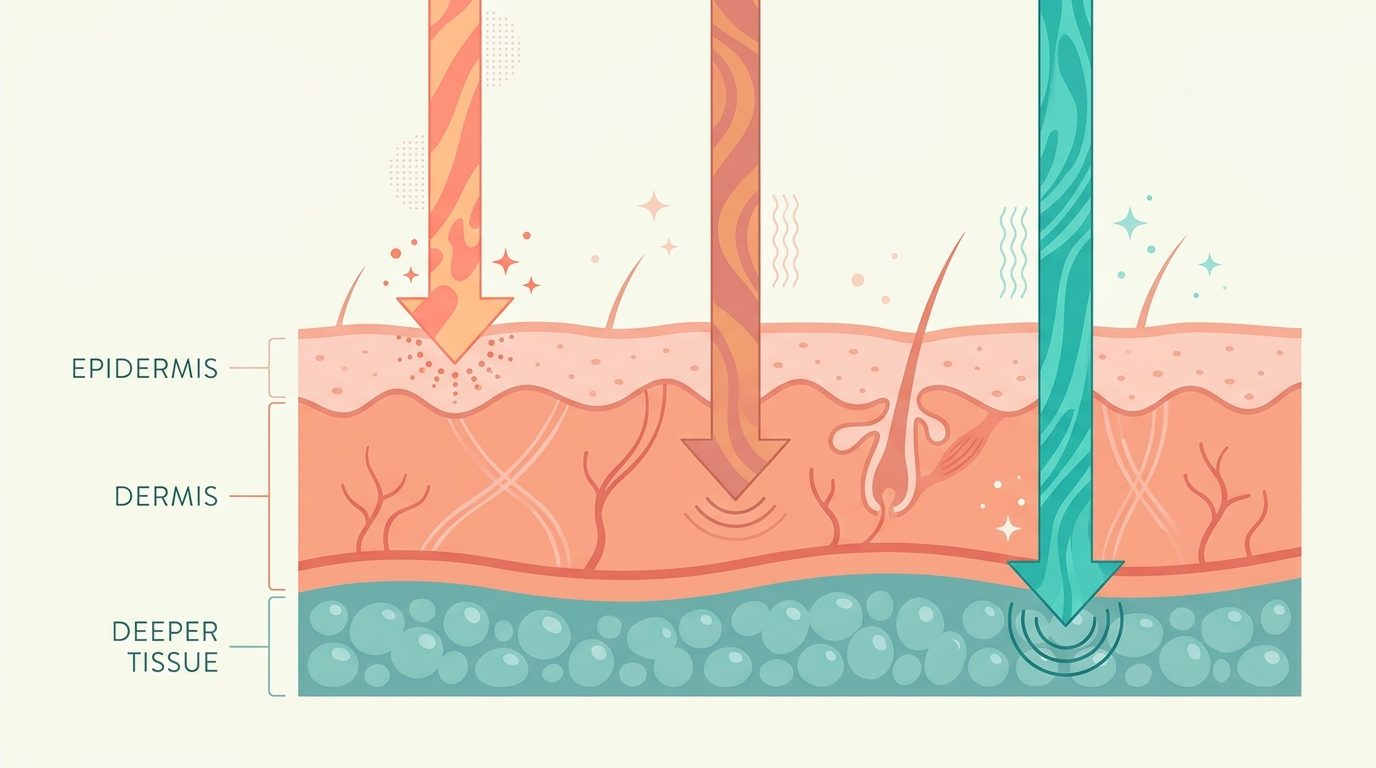
Skin concerns rarely sit in one layer. An acne scar involves fibrotic tissue in the dermis, a textural change at the surface and often residual redness or pigment. A laser that resurfaces the epidermis does little for deeper tethering. A device that remodels dermal tissue does little for pigment. Pairing technologies lets each one do the job it is designed for.
The biological rationale is fairly consistent across the literature. Energy-based devices and microneedling create controlled injury that triggers a healing response and collagen remodelling. Radiofrequency heats the dermis, which is associated with collagen contraction and later neocollagenesis. Acoustic waves deliver mechanical stimulation to tissue, which is studied for effects on circulation, fibrous structures and cellulite. These are separate pathways, so they can stack rather than duplicate.
Pairings we see making clinical sense
Acoustic wave therapy plus skin-tightening or contouring devices
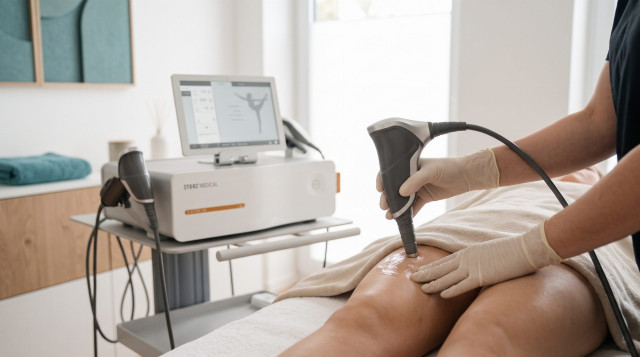
STORZ AWT from Storz Medical uses radial acoustic waves, a mechanical rather than thermal stimulus. That makes it a logical partner for heat-based platforms such as Venus Versa Pro or Venus Legacy in body work. Acoustic waves are studied in cellulite reduction, and radiofrequency is used for skin tightening. Cellulite has a structural component and a laxity component, so addressing both with different mechanisms is reasonable. Published trials on acoustic waves for cellulite report improvement in appearance, though protocols and follow-up vary, so set expectations accordingly.
Microneedling plus topical actives
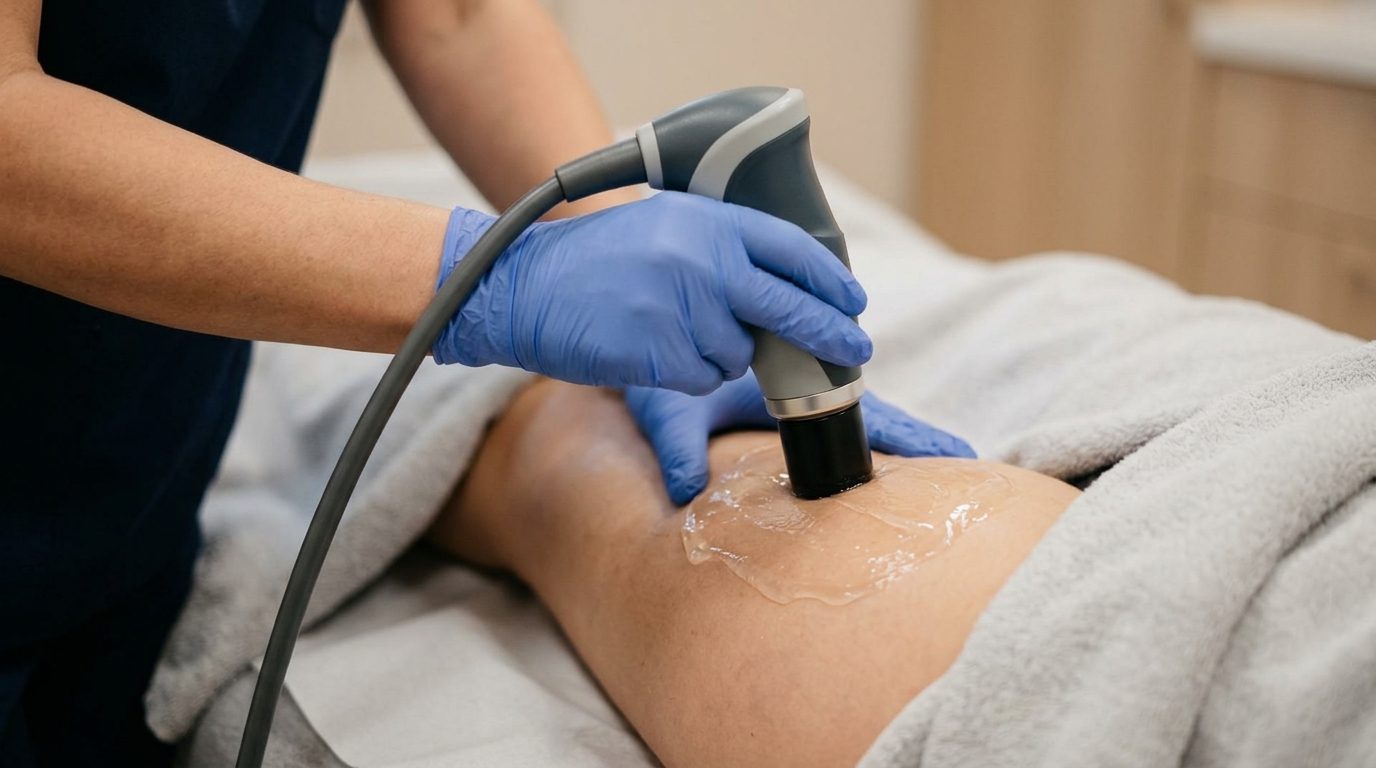
Microneedling creates temporary micro-channels that can help topical delivery. Using Dermapen 4 with a suitable serum is a common, low-risk combination, and there is evidence for microneedling-assisted delivery in conditions such as melasma and acne scars. Choose sterile, appropriate products from the range of serums and active ingredients and follow the manufacturer's guidance. Not every cosmetic product is meant for use on open channels.
Laser plus microneedling for texture and pigment
For patients with both scarring and discolouration, a pigment-directed laser such as PicoStar or a Pro Yellow for vascular and pigmented concerns can be scheduled alongside microneedling sessions. The principle is to treat texture and colour in separate sessions, not the same visit, so you do not stack inflammation on a single patient. This matters most for darker skin types, where post-inflammatory hyperpigmentation is a real risk that aggressive stacking can worsen.
What combination costs you
Be honest with yourself about the friction. Combined protocols mean longer plans, more sessions, more staff training and more chances to get sequencing wrong. They also make results harder to attribute: if a patient improves, which device did it? Without baseline photos and consistent assessment, you cannot learn from your own cases.
There is also a patient-expectation problem. A combination package sounds like a promise of more. It is not. It is a plan to treat more layers, and the improvement still depends on indication, skin type and adherence to aftercare.
Principles for building a protocol
- Start from the indication, not the device list. Map each concern to the layer it sits in.
- Separate thermal stress. Space heat-based and injury-based treatments according to the manufacturer's guidance and your own clinical judgement.
- Document baseline. Standardised photos and notes let you see what each element contributes.
- Plan aftercare early. Barrier support and sun protection from the lotions and aftercare range carry as much weight as the device session.
- Check the evidence per pairing. Evidence for single modalities is stronger than evidence for specific combinations. Treat combination data as encouraging, not settled.

The business case
A multi-device clinic can offer patients a path rather than a one-off procedure, which supports retention and treatment planning. But every added device must earn its place: check how often you would use it, what training it needs and whether it complements what you already own. Our brands span laser, radiofrequency, microneedling and acoustic wave therapy, which lets us talk through combinations across technologies rather than push one.
Next step
Before you buy another device, list your five most common indications and note which layer each one leaves untreated by your current equipment. Bring that list to our team, and we will walk through combination options and arrange a demo so you can see the protocols in practice.
